
Easy-to-operate satellite control system
2026年3月16日Customized satellite control system
2026年3月16日Understanding the Satellite Control System Mechanism
In the realm of satellite technology, the satellite control system mechanism is a crucial component that ensures the proper functioning and operation of satellites. This intricate system is responsible for managing various aspects of a satellite’s life, from launch to decommissioning. In this article, we will delve into the mechanisms behind satellite control systems and why they are essential for both government and commercial satellite procurement.
The Core Functions of a Satellite Control System
At its core, a satellite control system is designed to manage and monitor the operations of a satellite. This includes tasks such as adjusting the satellite’s orbit, managing its power systems, and ensuring communication between the satellite and ground control. The primary functions of a satellite control system can be categorized into several key areas:
Orbit Management
One of the most critical functions of a satellite control system is to manage the satellite’s orbit. This involves adjusting the satellite’s trajectory to maintain the desired altitude and position in space. Whether it’s a GEO (Geostationary Earth Orbit) or LEO (Low Earth Orbit) satellite, the control system must ensure that the satellite remains in the correct orbit for its intended purpose.
Power Management
Satellites rely on solar panels to generate power, but they also need to manage energy efficiently. The control system is responsible for monitoring the satellite’s power consumption and adjusting the solar panels’ orientation to maximize energy capture. This is particularly important during eclipse periods when solar panels are not exposed to sunlight.
Communication
Communication is another vital aspect of satellite control. The system must establish and maintain a reliable communication link between the satellite and ground control. This involves managing the satellite’s transmitters and receivers, as well as ensuring that data can be transmitted and received accurately.
Satellite Control System Components
A satellite control system is composed of several key components that work together to ensure the satellite’s proper functioning. These components include:
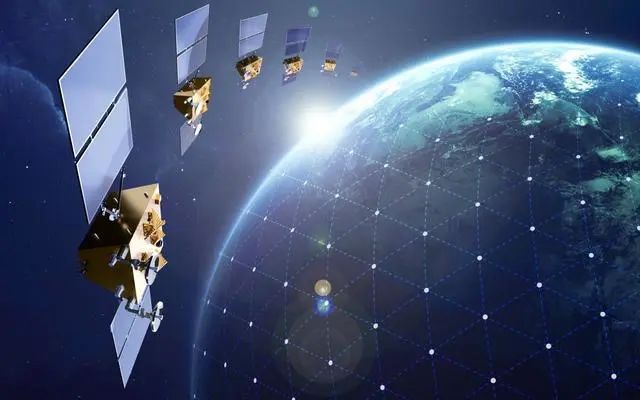
Command and Telemetry System
The command and telemetry system is responsible for sending commands to the satellite and receiving data back from it. This system uses a variety of communication protocols to ensure that data is transmitted securely and accurately.
Attitude Control System
The attitude control system maintains the satellite’s orientation in space. It uses reaction wheels, thrusters, and other mechanisms to adjust the satellite’s orientation in response to external forces.
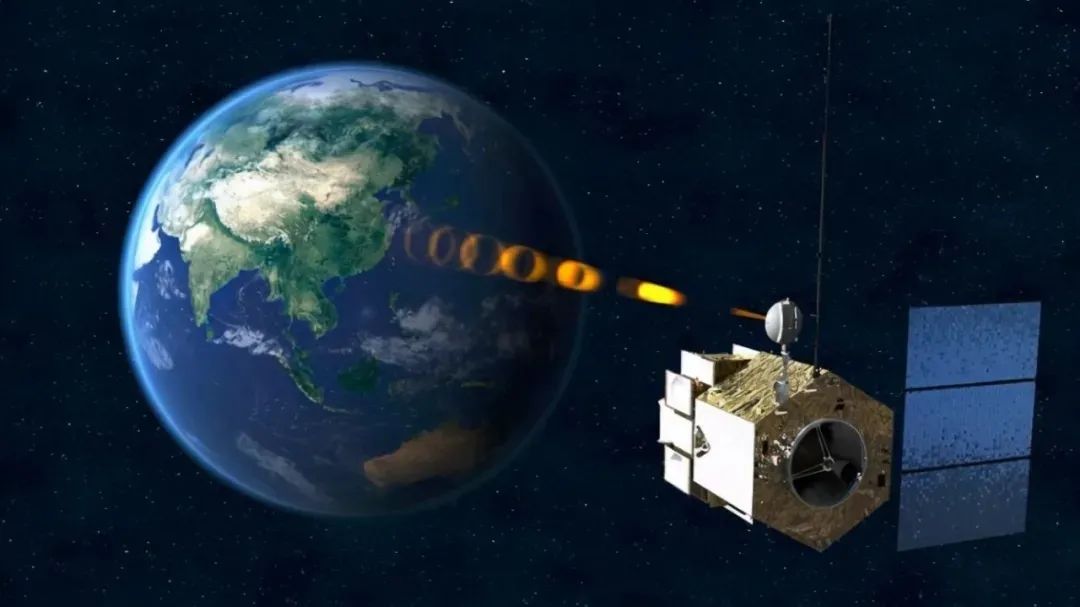
Power System
The power system includes the solar panels and batteries that provide power to the satellite. The control system manages the power system to ensure that the satellite has a constant and reliable power supply.
Conclusion
In conclusion, the satellite control system mechanism is a complex and essential component of satellite technology. It ensures that satellites operate efficiently and effectively, whether they are used for remote sensing, communication, or other purposes. For those involved in government satellite procurement or commercial satellite leasing, understanding the intricacies of the satellite control system is crucial for successful satellite operations. With the right technology solutions, such as those provided by [cc], satellite operators can rest assured that their satellites are in capable hands.
